
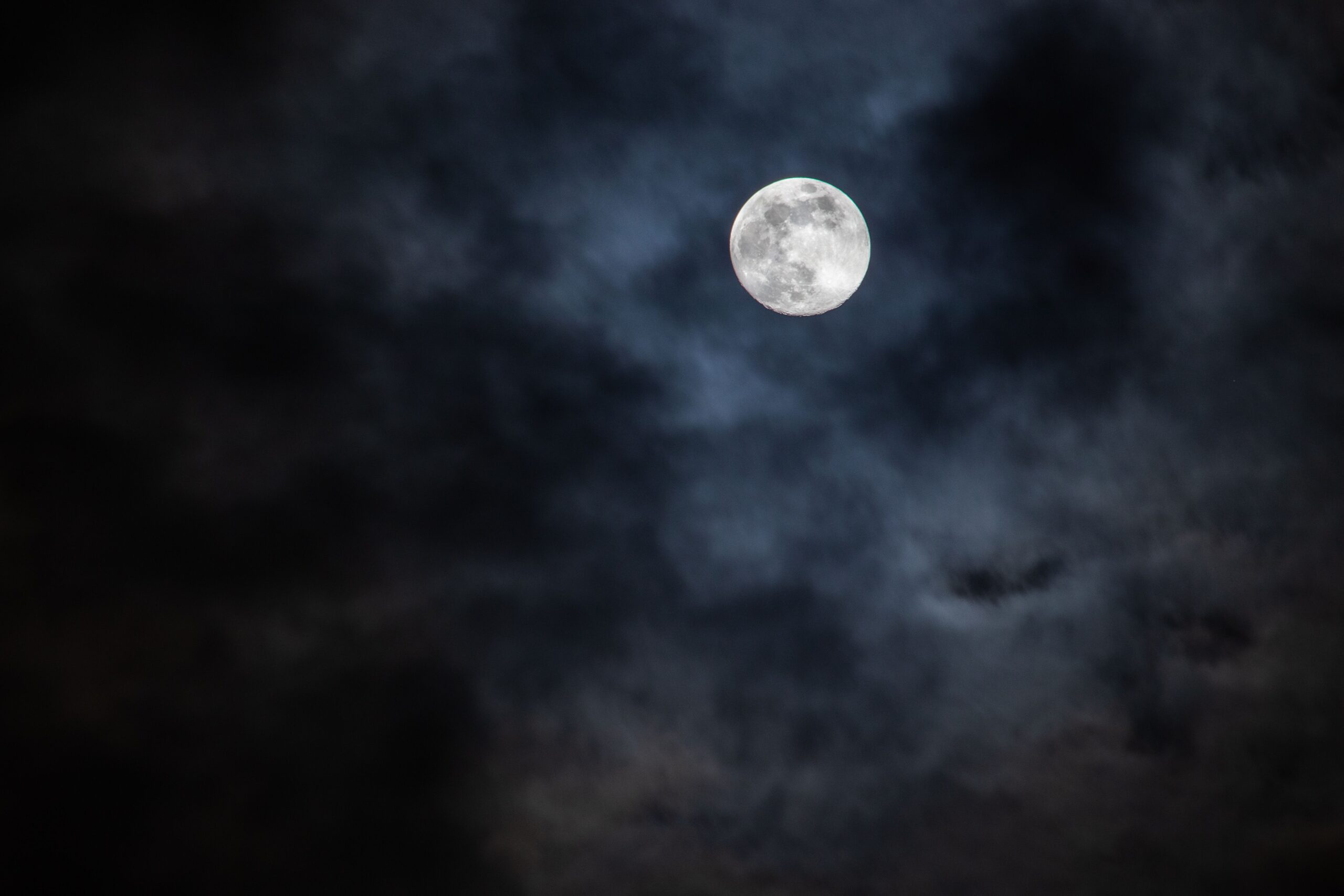
Skywatchers across North America are preparing for one of the brightest celestial events of the season as the November 2026 Full Beaver Supermoon lights up the night sky starting tonight and reaching peak illumination on Tuesday, November 24, 2026. Marking the first of three consecutive supermoons through January 2027, this lunar event occurs near perigee—the point in the Moon’s elliptical orbit closest to Earth.
Because a supermoon sits thousands of miles closer than average, it appears noticeably brighter and slightly larger than a typical full moon, especially when rising low along the eastern horizon just after sunset.
Exact Peak Illumination Times by US Time Zone
According to NASA’s November 2026 skywatching guide and astronomical ephemeris data, the Moon officially reaches 100% full illumination at 9:53 a.m. Eastern Time on Tuesday, November 24, 2026. Across major U.S. time zones, peak illumination occurs at:
- Eastern Time (EST): 9:53 a.m. on Tuesday, Nov. 24
- Central Time (CST): 8:53 a.m. on Tuesday, Nov. 24
- Mountain Time (MST): 7:53 a.m. on Tuesday, Nov. 24
- Pacific Time (PST): 6:53 a.m. on Tuesday, Nov. 24
- Alaska Time (AKST): 5:53 a.m. on Tuesday, Nov. 24
- Hawaii Time (HST): 4:53 a.m. on Tuesday, Nov. 24
Although exact peak alignment happens during morning daylight hours across the continental United States, the lunar disc appears over 98% illuminated both tonight (Monday, Nov. 23) and tomorrow evening (Tuesday, Nov. 24).
Best Times and Tips to Watch the Beaver Supermoon
To experience the dramatic golden-orange glow created by the low-horizon “moon illusion,” step outside shortly after local sunset:
- Look East at Moonrise: On both Monday and Tuesday evenings, watch the eastern horizon right around sunset as the supermoon climbs above the skyline.
- Spot Nearby Star Clusters: The November 2026 Full Beaver Supermoon passes close to the Pleiades (Seven Sisters) and Hyades star clusters, offering a striking view through standard binoculars.
- Check Local Cloud Forecasts: Families already monitoring autumn weather for holiday road trips can check our guide to the Thanksgiving 2026 travel forecast to see which regions expect clear skies this week.
Why November’s Full Moon Is Called the Beaver Moon
Traditional North American and colonial almanacs named November’s full moon after late-autumn beaver behavior. During November, beavers actively reinforce winter dams and stock food caches before rivers and ponds freeze over, while historical fur trappers set traps before winter ice arrived. Other regional names include the Frost Moon and Freezing Moon.
Frequently Asked Questions About November 2026 Full Beaver Supermoon
What time does the November 2026 Full Beaver Supermoon peak?
It reaches peak illumination at 9:53 a.m. EST (6:53 a.m. PST) on Tuesday, November 24, 2026.
Do I need a telescope to see the Beaver Supermoon?
No, the supermoon is easily visible to the naked eye from backyards, rooftops, and city parks with an unobstructed eastern view.
When is the next supermoon after November 2026?
The next supermoon—the Full Cold Supermoon—arrives on Christmas Eve, Thursday, December 24, 2026.
Follow USA TrendLine for daily US skywatching alerts, national news, and practical seasonal guides. Catching the November 2026 Full Beaver Supermoon at dusk gives skywatchers one of the best free shows of the year.
(Disclaimer: This article is provided for general informational purposes only. Exact local moonrise times vary slightly by city and elevation; check local weather forecasts before heading outdoors.)