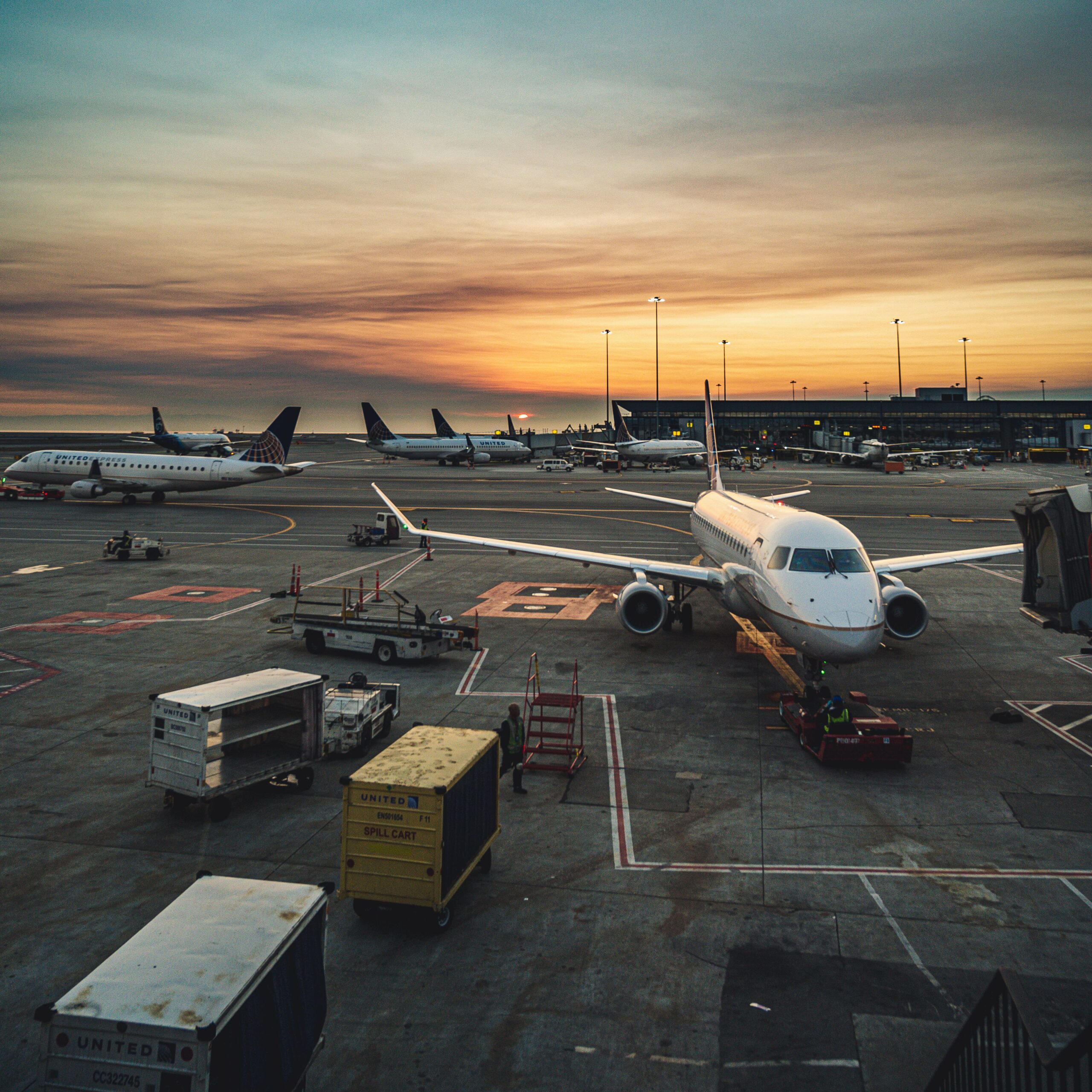
Millions of Americans are finalizing their holiday plans and searching for Thanksgiving travel tips 2026 as one of the busiest travel weeks of the year approaches. With airports expecting near-record passenger numbers and major interstate highways bracing for heavy congestion, choosing the right departure window can save travelers hours of frustration and hundreds of dollars.
Here is a practical guide to the best and worst times to travel across the United States this Thanksgiving, along with smart ways to avoid delays.
Best and Worst Days to Fly for Thanksgiving 2026
Airlines across the United States see their sharpest passenger spikes right before and immediately after the holiday weekend. Adjusting your flight schedule by even one day can make a major difference:
- Worst Days to Fly: The Tuesday and Wednesday immediately before Thanksgiving are historically the most crowded air travel days, followed closely by the Sunday afternoon after Thanksgiving when millions return home at once.
- Best Days to Fly: Flying on Thanksgiving Day itself—especially on an early morning flight—offers significantly shorter airport security lines, fewer delays, and often lower ticket prices. Returning on the Friday after Thanksgiving or waiting until Tuesday of the following week also helps you skip peak terminal crowds.
Peak Highway Traffic Times for Road Trippers
If you are driving to visit family, timing your departure around major metro areas such as New York, Los Angeles, Chicago, Atlanta, and Dallas is essential. Transportation data consistently shows that afternoon traffic builds rapidly between 12:00 PM and 6:00 PM on the Wednesday before Thanksgiving.
- Hit the Road Early: Leaving before 7:00 AM local time or traveling after 8:00 PM lets you clear major city bottlenecks smoothly.
- Check Weather and Road Conditions: Late November storms can quickly impact northern and Midwest routes, so check local forecasts and vehicle tire pressure before heading out.
Smart Airport and Security Hacks to Save Time
Even during peak holiday rushes, a few simple habits can keep your trip stress-free:
- Download Your Airline App: Mobile boarding passes and real-time gate change alerts help you react faster if weather causes tight connections.
- Pack Carry-On Essentials Wisely: Keep medications, phone chargers, and a change of clothes in your personal item in case overhead bins fill up.
- Review TSA Liquid and Food Rules: Solid baked goods like pies are allowed through checkpoints, while gravies, jams, and sauces over 3.4 ounces must go in checked luggage.
For official airport screening guidelines and prohibited item lists, travelers can check the Transportation Security Administration (TSA) website.
Stay updated with daily US news, travel alerts, and trending stories on USA TrendLine.
Keep these Thanksgiving travel tips 2026 in mind before packing your bags, and check live airport alerts so your holiday trip goes smoothly.
Frequently Asked Questions About Thanksgiving Travel Tips 2026
What is the single best day to fly during Thanksgiving week? Flying on Thanksgiving Day itself typically offers the shortest airport security lines, the lowest airfare prices, and the fewest flight delays compared to the busy Tuesday and Wednesday beforehand.
How early should I arrive at the airport for a Thanksgiving flight? Travels should arrive at least two hours early for domestic flights and three hours early for international flight departures, as TSA checkpoints and baggage drop counters experience peak holiday volume.
When is the worst time to drive on Thanksgiving weekend? Highway traffic peaks on Wednesday afternoon between 2:00 PM and 6:00 PM and again on Sunday afternoon when millions of families return home simultaneously.
Following these Thanksgiving travel tips 2026 can save you hours at the airport, so bookmark our Thanksgiving travel tips 2026 guide before your trip.
(Disclaimer: This article is for general informational purposes only. Flight schedules, weather conditions, and highway traffic patterns are subject to rapid change; verify details directly with your airline or local transportation authorities before departing.)