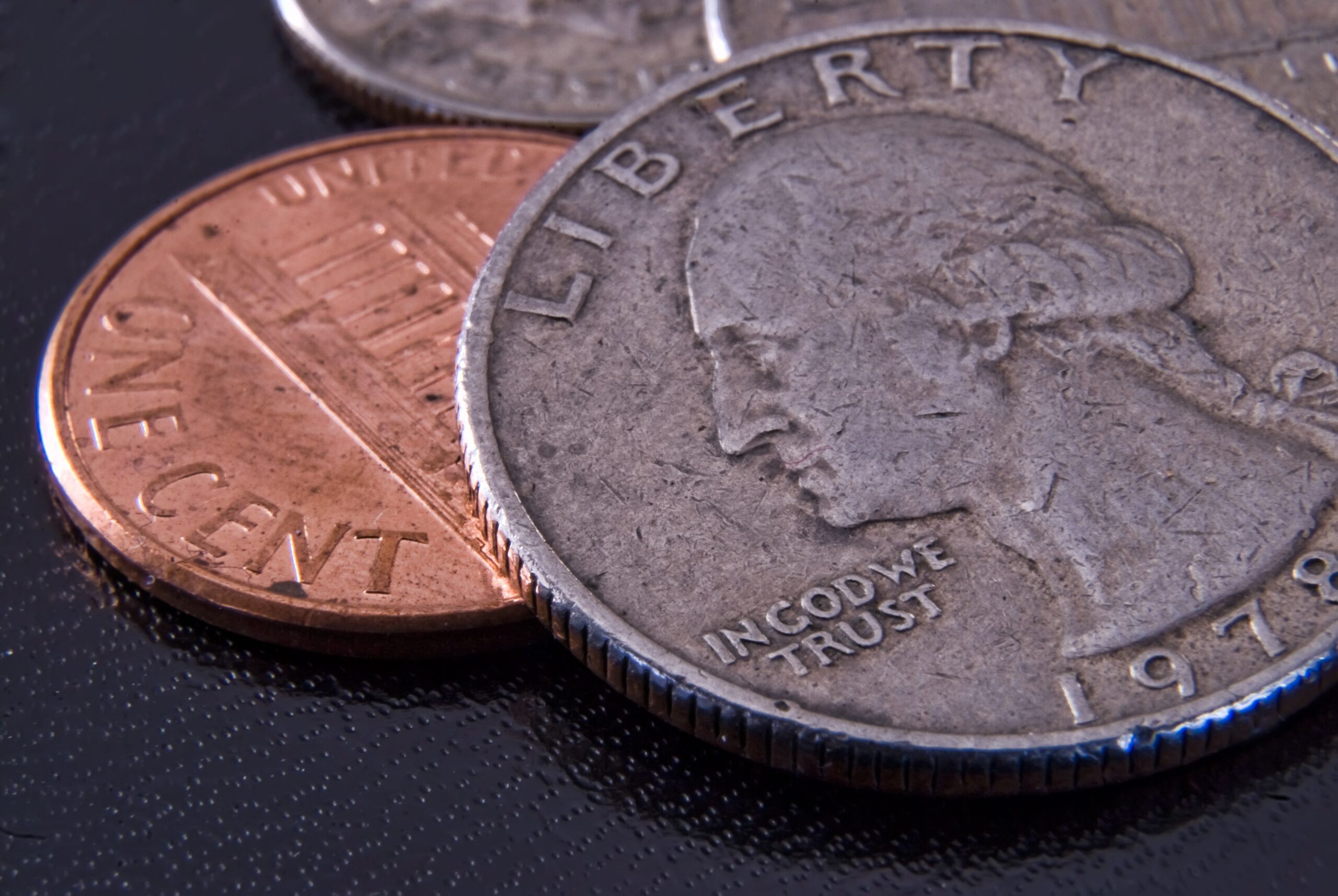
American shoppers, small business owners, and bank customers are asking how US penny phase out cash rounding rules will work at retail checkout counters following federal action to halt production of the one-cent coin. Because minting and distributing each zinc-and-copper penny has long cost more than its one-cent face value, ending new production reshapes how cash transactions are settled across the country.
While digital payments, debit cards, and credit cards remain unaffected down to the exact cent, cash-paying customers will see standardized rounding practices become common at grocery stores, gas stations, and restaurants.
How Store Cash Rounding Works Without Pennies
Under standard symmetric rounding practices used in countries that have already retired their lowest-denomination coins, US penny phase out cash rounding rules apply only to the final cash total after sales tax is added—never to individual items on a receipt:
- Totals Ending in 1, 2, 6, or 7 Cents Round Down: A cash bill of $10.01 or $10.02 rounds down to $10.00, and $10.06 or $10.07 rounds down to $10.05.
- Totals Ending in 3, 4, 8, or 9 Cents Round Up: A cash bill of $10.03 or $10.04 rounds up to $10.05, and $10.08 or $10.09 rounds up to $10.10.
- Totals Ending in 0 or 5 Cents Stay Exact: Any cash total already ending in zero or five requires no adjustment.
Because rounding up and rounding down occur with equal statistical frequency, consumer advocates and the U.S. Mint official coin resources note that the net financial impact on everyday shoppers averages out to zero over time.
Are Existing Pennies Still Legal Tender in the United States?
Halting new production does not cancel the value of the billions of pennies already sitting in jars, cash registers, and wallets nationwide:
- Legal Tender Status Remains Valid: Existing one-cent coins remain official U.S. legal tender and can still be deposited at commercial banks or spent where merchants accept exact change.
- Card, Check, and Mobile Payments Stay Exact: Debit cards, credit cards, checks, and electronic transfers continue to process to the exact penny without any rounding.
- Retailer Banking Preparations: Businesses managing daily cash drawers and coin orders should also check bank operating schedules ahead of busy retail weeks—such as our guide on are banks open on Cyber Monday 2026—to keep sufficient nickels and dimes on hand.
Smart Tips for Managing Loose Coins and Cash Transactions
Understanding US penny phase out cash rounding rules helps households make the most of spare change sitting at home:
- Roll or Deposit Coin Jars at Your Bank: Most local bank branches accept rolled coins from account holders free of charge, converting idle change directly into checking or savings balances.
- Avoid High-Fee Coin Kiosks When Possible: Standalone grocery store coin machines often charge 10% to 12% processing fees unless you choose a fee-free retail gift card payout.
- Watch Register Receipts for Item-Level Rounding: Ensure cashiers only round the final after-tax total rather than individual shelf prices.
Frequently Asked Questions About US Penny Phase Out Cash Rounding Rules
Do credit and debit card purchases get rounded to the nearest nickel?
No, electronic payments including debit cards, credit cards, and mobile wallets continue to charge the exact cent amount.
Can I still deposit jars of pennies at my bank?
Yes, existing pennies remain valid U.S. currency and can be deposited into your bank account just like nickels, dimes, and quarters.
Does cash rounding apply before or after sales tax?
Cash rounding applies strictly to the final grand total after all applicable sales taxes and discounts are calculated.
Follow USA TrendLine for daily consumer finance updates, banking rule changes, and practical money guides. Knowing the US penny phase out cash rounding rules keeps every cash purchase transparent at checkout.
(Disclaimer: This article is provided for general informational purposes only and does not constitute legal or financial advice. Individual merchant point-of-sale rounding policies may vary during transition periods.)